
- Home
- /
- The DxRI Dispatch
- /
- Interviews
- /
- A Studio Evolves: Kelly...
A Studio Evolves: Kelly Taylor’s Next Chapter
After more than 20 years leading Kelly Taylor Interior Design, Kelly Taylor is entering a new chapter with the launch of Rocksalt Studio. The decision to rebrand had been building for years, but recently came into focus as she reflected on the evolution of her practice and what comes next.
“What finally pushed me was realizing that the business hasn’t been about just me for a long time,” she explains. “As the team has grown, my role has shifted into more of a creative director. I’m guiding the vision, but the work is deeply collaborative.”
The new name reflects that shift. Rocksalt Studio signals a move away from a founder-centric identity toward a studio model that better represents the collective talent behind the work. It also creates space for growth, mentorship, and expansion beyond Rhode Island, while maintaining the thoughtful, highly personalized approach that has defined her practice for two decades.
With the new brand launching publicly this spring, Taylor sees it as both a reflection and a catalyst, an opportunity to align the business with how it already operates, and to open the door to what comes next.
+++
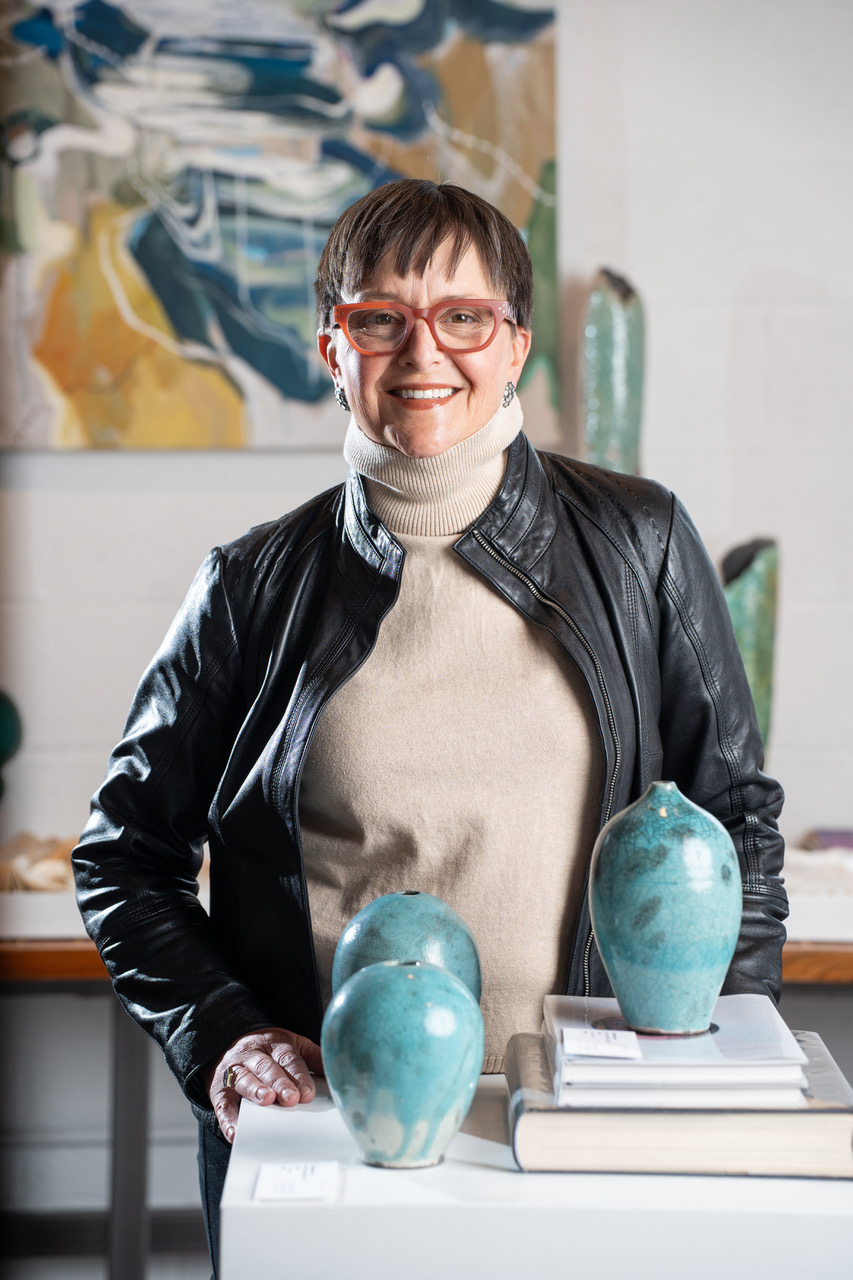
Photo by Blueflash
DxRI : On your website, you describe interior design as helping clients navigate hundreds of decisions throughout a project. What do you think people most misunderstand about the process of bringing a vision to life?
Kelly Taylor : I’ve thought about that a lot, and honestly, I would say it’s not hundreds, it’s hundreds of thousands of decisions, depending on the scope. What people often don’t understand is how much work happens before construction even begins. Before a single stud goes up, there’s an enormous amount of planning that needs to happen.
Clients often come to us when they feel ready to move forward. Maybe they’ve been thinking about a renovation for years, or they finally found the right property. But timelines can be surprising. Someone might say, “We have a contractor lined up for January,” and it’s already November, and we have to tell them that we need more time to properly design the project.
I like to compare it to painting. If you don’t scrape, sand, and prepare the surface, the paint won’t hold. That preparation phase is critical, even if it’s not the most visible or exciting part of the process.

Photo by Blueflash
DxRI : It sounds like preparation really is the foundation.
KT : It is. Construction itself tends to be very linear, but the design process is not. Clients are often used to thinking in terms of step one, step two, step three. But in design, one small change can send us back a few steps. That can feel frustrating, but it’s a natural and necessary part of getting things right.
The reality is that builders need a complete roadmap. We can’t design one piece in isolation without understanding how it connects to everything else. Something as simple as lighting depends on knowing where cabinetry, furniture, and architectural elements will ultimately land. Without that full picture, you risk making decisions that don’t work together.
We see this a lot with clients who try to tackle things piece by piece, especially with furnishings. They’ll say, “I bought this, then I added that,” but without a cohesive plan, it rarely comes together the way they hope. The most successful projects start with a holistic vision and then move into execution.
DxRI : Is there a moment in the process where it really starts to feel alive for you?
KT : For us, it often feels alive much earlier than it does for the client. We spend so much time in the planning phase, sketching, drafting, and working through details, that the project already exists in our minds.
Clients tend to feel that shift later, when they start to see materials, colors, and textures come together. That’s when it becomes tangible for them. We love the detailed, technical side of the work, but that’s often where clients start to lose patience. It can feel tedious, especially on larger projects that might take years from concept to completion.
But that level of detail is what ultimately makes the space successful. If something isn’t functional, it doesn’t matter how beautiful it is. Our goal is to create spaces that truly support how people live, and that requires asking a lot of questions and working through the details carefully. When it all comes together, that’s when the project really delivers on its promise.

Photo by Blueflash
DxRI : It sounds like so much of your work comes down to getting the details right.
KT : Exactly. And those details can have a big impact. We’ve seen enough projects to know how small misalignments can create real problems. Something as simple as the placement of a faucet or the height of a fixture can affect how a space functions day to day.
Even in early schematic design, we’re helping clients visualize layouts using placeholders. But once we move into selecting actual fixtures, everything has to be carefully coordinated. Faucets, for example, can vary significantly in height. If that isn’t aligned with something like a medicine cabinet or a window, you can end up with elements that interfere with each other. That level of precision is a constant part of our work.
A big part of the process is helping clients understand why those details matter without overwhelming them. There’s a balance between providing enough information to guide decisions and not overloading them to the point where they tune out.
DxRI : And I imagine that also requires a thoughtful approach to communication.
KT : It does. A lot of this work is about relationships. Every client is different, and part of our job is understanding how each person processes information and makes decisions. Some clients want a high level of detail, others need things distilled more simply.
That’s where empathy comes in. You have to meet people where they are, communicate clearly, and guide them through the process in a way that feels supportive. At the end of the day, it’s not just about designing a space, it’s about helping someone navigate a complex process in a way that feels manageable and, ultimately, rewarding.
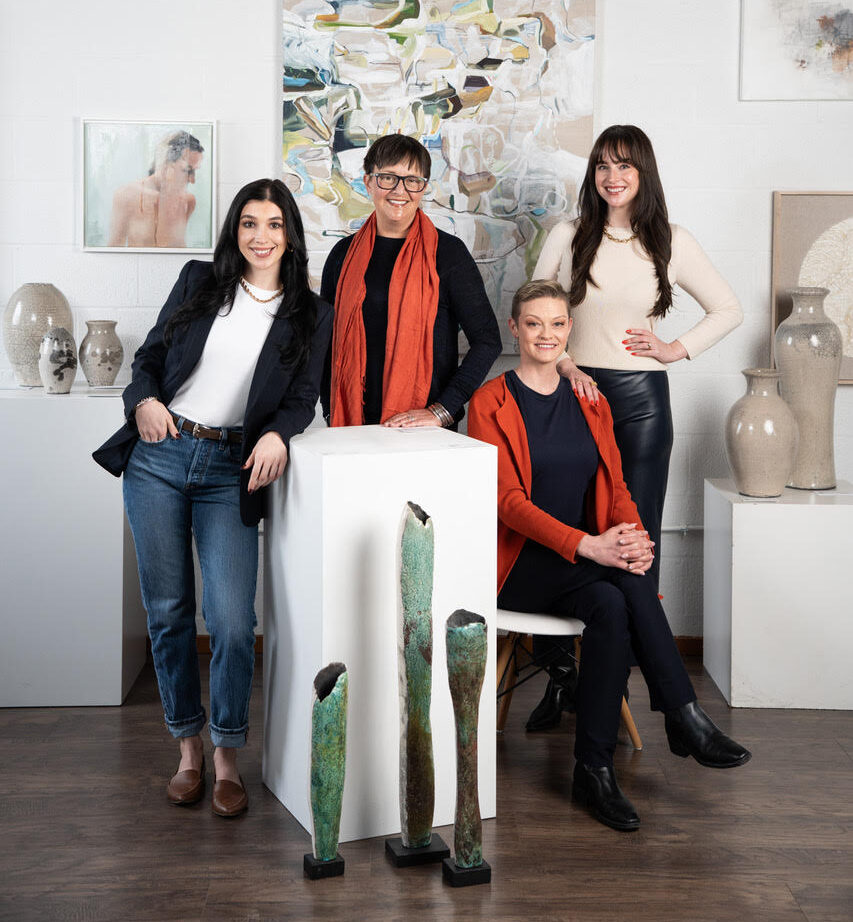
Photo by Blueflash
DxRI : You’ve worked in this field for over 20 years while also advocating for interior design to become a registered and licensed profession. How does your day-to-day work inform your perspective on that policy conversation?
KT : When I started my business in 2004, I had just passed the NCIDQ exam. At the time, it was a personal milestone, but it didn’t actually change how I could practice. There was no formal distinction between someone with that level of education and experience and someone without it.
Early on, I was involved in advocacy efforts here in Rhode Island, and part of my motivation then was about differentiation. I wanted there to be a clear way to signal qualifications. Now, after years in practice, my perspective has shifted. It’s less about me and more about clarity for the public. Clients can do their research, but having a clear designation of who is registered would make it much easier to understand who they’re hiring and what level of expertise they can expect.
That ties directly to the work we do every day. Our projects are complex, highly technical, and deeply personal. When things go wrong, it can have real consequences for clients. So for me, the primary goal of licensure is consumer protection. It helps ensure that people are working with professionals who have the training to guide them through that process successfully.
There’s also a mentorship component. We have emerging designers coming into the field who want to learn under experienced, credentialed professionals. Creating a more formal structure around the profession supports that pipeline and strengthens the field overall.
DxRI : It sounds like the advocacy is really grounded in your relationships with clients and your responsibility to them.
KT : Exactly. It’s about making sure people have a good experience and understand the value of what we do. When that doesn’t happen, it reflects on the entire profession.

Photo by Blueflash